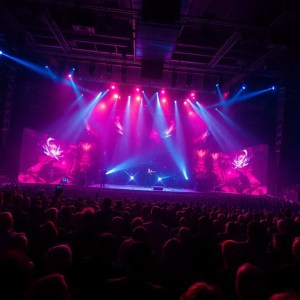
What If Music Was the Basis of All Communication?
The idea that music can be a universal language is a concept that resonates deeply with many. Throughout history, music has served as a means of expression, capable of conveying emotions, thoughts, and experiences that words sometimes fail to express. But what if we took this concept a step further and imagined a world where music was not just an accompaniment to our words, but the very foundation of all communication? This article delves into the implications, history, science, and future possibilities of a musical communication framework.
The Nature of Music as Communication
Music is often described as a universal language. It has the power to convey emotions and messages that transcend cultural and linguistic boundaries. Here are some ways in which music serves as a form of communication:
- Conveying Emotion: Music can evoke a wide range of emotions, from joy to sadness, anger to tranquility. A simple melody can express what words often cannot.
- Symbolic Messaging: Just as language uses symbols to convey meaning, music uses notes, rhythms, and harmonies to create complex messages.
- Shared Experience: Music often brings people together, creating a shared experience that fosters connection and understanding.
In comparison to traditional verbal communication, music offers a more immediate and visceral way of expressing complex ideas and emotions. While words are often limited by their definitions and contexts, music can tap into the emotional core of a message, allowing for a more profound understanding.
Historical Context: Music as a Form of Communication
Historically, music has played a vital role in communication across various cultures. Ancient civilizations utilized music to convey messages, tell stories, and even summon spirits. Here are some notable examples:
- Drumming Patterns: Many indigenous cultures have used drumming as a form of communication, with specific rhythms conveying different meanings or alerts.
- Folk Songs: In many societies, folk songs have been used to pass down history, traditions, and values, effectively functioning as a narrative language.
- Religious Rituals: Music has been integral to spiritual practices, with chants and hymns communicating devotion and beliefs.
These examples demonstrate that music has long been a vital form of communication, often intertwining with cultural identity and collective memory.
The Science Behind Musical Communication
The interplay between music and language is not just a philosophical idea; it is grounded in science. Research has shown that the brain processes music and language in overlapping areas, indicating that our understanding of music may influence our language comprehension.
| Aspect | Music | Language |
|---|---|---|
| Processing Areas | Right Hemisphere (melody, rhythm) | Left Hemisphere (grammar, vocabulary) |
| Emotional Response | Strong | Moderate |
| Complexity | High (varied interpretations) | Structured (defined meanings) |
Furthermore, studies have indicated that listening to music can enhance empathy and understanding among individuals. The psychological effects of music allow listeners to connect with the emotional states of others, potentially leading to improved interpersonal relationships.
Implications for Society
If music were to become the primary means of communication, the implications for global interaction would be profound. Consider the following changes:
- Global Communication: Language barriers could diminish as music offers a universal medium for expression.
- Education: Learning could incorporate musical elements to enhance understanding and retention of information.
- Politics: Political discourse might shift towards musical expressions, allowing leaders to communicate their visions and policies through song.
- Cultural Bridges: Music could serve as a powerful tool for fostering intercultural dialogue and understanding.
However, this shift could also present challenges. The nuances of musical communication might lead to misinterpretations and misunderstandings, similar to how language can be misconstrued.
Challenges and Limitations
While a music-based communication system offers intriguing possibilities, several challenges could arise:
- Misinterpretations: Just as words can have multiple meanings, musical phrases can be interpreted differently based on cultural context and personal experience.
- Complexity: The intricacies of musical languages might make it difficult for individuals to convey specific messages clearly.
- Accessibility: Those with hearing impairments could face significant barriers in a system reliant on auditory communication.
Addressing these challenges would be crucial for developing a functional musical communication framework.
Future Possibilities: Envisioning a Musical Communication World
Imagining a world where music serves as the cornerstone of communication opens up a realm of creative possibilities. Here are some speculative scenarios:
- Societal Function: Communities might engage in musical dialogues, with individuals expressing their thoughts and feelings through improvised melodies.
- Technological Innovations: Advances in technology could lead to the development of tools that translate emotions into musical compositions, enhancing personal expression.
- New Art Forms: Artistic expressions could evolve, merging visual arts with musical elements to create multi-sensory experiences.
Such innovations could enrich human interaction and pave the way for new forms of creativity and expression.
Conclusion
In exploring the concept of music as the basis of all communication, we have uncovered a rich tapestry of possibilities, challenges, and implications. Music has always played a vital role in human connection, serving as a means of expressing emotions and bridging divides. Whether or not it might replace traditional forms of communication, it is clear that music holds profound value in fostering understanding and empathy among individuals.
As we reflect on the importance of music in our lives, let us consider its potential to enhance our interactions and enrich our connections with others. Music not only has the power to convey messages but also to unite us in shared experiences, transcending boundaries and cultures. In this light, the role of music in communication is not just a theoretical exercise but a vital aspect of the human experience worthy of exploration and appreciation.