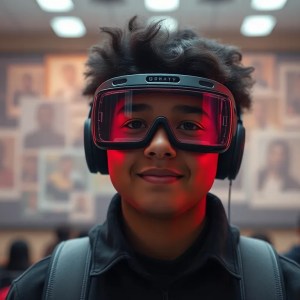
Unlocking Learning Through Narrative
Imagine stepping into a classroom where the first words spoken by the teacher are not a list of objectives or a dry lecture, but a captivating story that draws students in. This approach, known as starting lessons with stories, has the potential to transform traditional education. Storytelling is not merely a tool for entertainment; it is a powerful method for enhancing learning, engagement, and retention.
In this article, we will delve into the profound impacts and benefits of incorporating storytelling into lessons. By exploring cognitive benefits, emotional engagement, and real-life examples, we aim to uncover how this narrative-driven approach can reshape the educational landscape.
The Power of Storytelling in Learning
Storytelling is an ancient art form that transcends cultures and generations. In the context of education, it harnesses the power of narratives to foster deeper understanding and connection among learners. Here are some of the key benefits of narrative learning:
A. Cognitive Benefits of Narrative Learning
- Enhanced Comprehension: Stories provide context and structure, making complex ideas easier to understand.
- Critical Thinking: Analyzing characters, plots, and morals encourages students to think critically and make connections.
- Problem-Solving Skills: Story arcs often present challenges that require creative solutions, fostering innovative thinking.
B. Emotional Engagement and Memory Retention
Emotions play a significant role in how we remember information. Stories evoke feelings, helping to anchor the lessons in students’ minds. When students can relate to a character’s struggle or triumph, they are more likely to remember the accompanying concepts.
C. How Stories Cater to Diverse Learning Styles
Every student learns differently. Storytelling accommodates various learning styles:
| Learning Style | Storytelling Approach |
|---|---|
| Visual Learners | Incorporating illustrations or videos into storytelling. |
| Auditory Learners | Using expressive narration and discussions about stories. |
| Kinesthetic Learners | Engaging students in role-play or reenactments of stories. |
Examples of Story-Driven Lessons
To understand the effectiveness of story-driven lessons, we can look at real-world examples from various educational levels.
A. Case Studies from Various Educational Levels
Consider a third-grade teacher who begins a science lesson about ecosystems with a story about a young explorer discovering a hidden forest. By framing the lesson in this narrative, students become invested in the content and are more enthusiastic about learning.
In higher education, a history professor might start a lecture on the French Revolution with a gripping story of a peasant’s life, illustrating the struggles that led to the uprising. This personal connection to historical events makes the lesson more relatable and memorable.
B. Anecdotal Evidence from Teachers and Students
Teachers who have embraced storytelling often report increased engagement and participation. One middle school teacher noted that after integrating storytelling into her math lessons, students were not only more interested but also performed better on assessments.
Students, too, express a preference for story-driven lessons. A group of high school students shared that they felt more motivated to learn when lessons began with a narrative, as it made the subject matter feel relevant and alive.
C. Comparative Analysis: Traditional Lessons vs. Story-Based Lessons
When comparing traditional lessons to story-based approaches, the differences in student engagement and understanding are stark. Traditional lessons often rely heavily on rote memorization, while story-based lessons encourage exploration and connection.
- Traditional Lesson: “Today, we will learn the formula for area.” (Students memorize the formula without context.)
- Story-Based Lesson: “Imagine you are building a garden. Let’s figure out how much soil you’ll need by learning about area.” (Students apply the formula in a relatable scenario.)
Overcoming Challenges in Implementing Story-Driven Learning
While the benefits of storytelling in education are clear, several challenges can hinder its implementation. Here are some common obstacles and potential solutions:
A. Time Constraints and Curriculum Pressures
Educators often face strict curricula that prioritize content coverage over innovative teaching methods. To overcome this, teachers can:
- Integrate storytelling into existing lessons, using stories to illustrate key concepts.
- Utilize short, impactful stories that require minimal additional time to share.
B. Teacher Training and Comfort with Storytelling
Not all educators feel comfortable with storytelling. Professional development programs can:
- Offer workshops on effective storytelling techniques.
- Encourage collaboration among teachers to share successful strategies and resources.
C. Balancing Storytelling with Factual Content
It’s essential to ensure that stories do not overshadow important factual content. Teachers can:
- Use stories as a framework to anchor facts rather than replace them.
- Encourage students to extract facts from stories, reinforcing their learning.
Potential Questions and Concerns
As educators consider incorporating storytelling into their lessons, several questions and concerns may arise:
A. What if students don’t connect with the story?
Not every student will relate to every story. To address this, educators can:
- Choose diverse stories that reflect varied backgrounds and experiences.
- Encourage students to share their own stories, fostering a more inclusive environment.
B. How do we ensure stories are inclusive and representative?
Educators must be intentional about selecting stories that include diverse perspectives. This can involve:
- Incorporating multicultural literature into the curriculum.
- Engaging students in discussions about representation in storytelling.
C. Can storytelling be effectively integrated into standardized testing environments?
While standardized tests may focus on specific skills, storytelling can still play a role by:
- Helping students develop critical thinking and comprehension skills that are tested.
- Providing a memorable context for learning that aids in retention.
The Role of Technology in Storytelling
In today’s digital age, technology offers exciting possibilities for enhancing storytelling in education.
A. Digital Storytelling Tools and Platforms
Tools like Adobe Spark, Storybird, and WeVideo enable students to create their own stories, enhancing engagement and creativity.
B. Incorporating Multimedia Elements into Lessons
Teachers can enrich stories with videos, images, and sound effects, making lessons more dynamic and appealing.
C. The Impact of Virtual Reality and Augmented Reality on Storytelling in Education
Virtual and augmented reality provide immersive experiences, allowing students to ‘live’ the story. For instance, a VR simulation of ancient Rome can offer a firsthand view of historical events, deepening understanding.
Future Implications of Story-Driven Education
The integration of storytelling into education may lead to significant shifts in teaching practices and policies.
A. Potential Shifts in Educational Practices and Policies
As more educators recognize the value of storytelling, we may see:
- Curriculum revisions that emphasize narrative-driven learning.
- Increased support for professional development focused on storytelling techniques.
B. Long-Term Benefits for Student Engagement and Learning Outcomes
Story-driven education has the potential to enhance engagement, foster a love of learning, and improve academic performance. Over time, students may become more enthusiastic and self-directed learners.
C. Vision for Classrooms Where Storytelling is Central to Learning
Imagine classrooms where students eagerly participate in lessons, sharing their own stories and learning collaboratively. Such environments can cultivate critical thinkers, empathetic individuals, and lifelong learners.
Conclusion
Starting lessons with stories is more than a teaching strategy; it is a transformative approach that can revolutionize education. The cognitive, emotional, and social benefits of storytelling provide a compelling case for educators to embrace this method.
We encourage educators to experiment with storytelling in their classrooms, to share their experiences, and to explore innovative teaching methods. Together, we can foster a richer, more engaging learning environment that truly resonates with students.