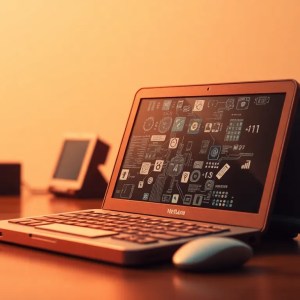
Unleashing the Narrative: A New Perspective on Computers
Imagine a world where every computer has its own unique backstory, a narrative that encapsulates its journey, purpose, and the experiences it has shared with its user. This concept of attributing a backstory to computers transcends mere functionality and delves into the realm of storytelling, enriching our interaction with technology. In this article, we will explore the implications of such a narrative-driven approach, examining how it could reshape our understanding of computers and enhance our emotional connection to them.
The History of Computers: A Brief Overview
The evolution of computers is a fascinating journey that reflects significant technological advancements and societal changes. From the early days of massive mainframes to the sleek personal devices we use today, computers have undergone remarkable transformations.
A. Evolution of computers from mainframes to personal devices
- 1940s-1950s: The inception of computers with vacuum tubes, primarily used in government and large corporations.
- 1960s: Introduction of transistors and time-sharing systems, making computers more accessible.
- 1970s: The rise of personal computers, such as the Altair 8800 and Apple II, democratizing technology.
- 1980s-1990s: Enhanced graphics and user interfaces, leading to the PC boom.
- 2000s-Present: Mobile computing and cloud technology, allowing seamless access to information anywhere.
B. Key milestones in computing history
Several milestones have marked the history of computing, including:
- The invention of the microprocessor (1971) – revolutionized computing power.
- Introduction of the graphical user interface (GUI) – made computers user-friendly.
- The Internet’s emergence – transformed communication and information sharing.
- The smartphone revolution – integrated computing into everyday life.
C. How backstories could enrich our understanding of this history
By attributing backstories to computers, we can contextualize these milestones within the narratives of individual devices. Each computer could embody the innovations of its time, reflecting the aspirations and challenges of its users. This personalization could foster a deeper appreciation for technological progress.
Imagining Backstories: The Personalization of Technology
The notion of computers having unique backstories opens up exciting possibilities for personalization and emotional engagement.
A. How backstories could reflect user experiences and emotions
Each computer serves as a repository of its user’s experiences. A laptop used for late-night study sessions, or a gaming PC that has been the center of countless friendships, could have backstories that reflect these emotional connections. These narratives would serve to humanize technology, making it relatable.
B. The role of fictional narratives in enhancing user connection
Fictional narratives can create a sense of attachment and loyalty. By weaving stories around computers, manufacturers could evoke emotions that resonate with users, leading to a more profound user experience.
C. Examples of potential backstories for different types of computers
| Type of Computer | Example Backstory |
|---|---|
| Gaming PC | Built from the ground up by a passionate gamer, this machine has been a companion through countless epic battles and late-night raids. |
| Business Laptop | Once a corporate workhorse, this laptop has traveled the world, attending meetings in bustling cities, adapting to the fast-paced business landscape. |
| Family Desktop | This computer has been at the heart of family gatherings, storing precious memories through photos and videos shared during joyful holidays. |
Potential Questions People Might Have
A. What would a backstory for a computer even look like?
A backstory for a computer could include details such as its creation date, the purpose it was built for, memorable experiences shared with its user, and even the challenges it has faced. It could be presented through a narrative format, possibly enhanced with multimedia elements.
B. How would this concept change the way we interact with technology?
By viewing computers as more than just tools, users may develop a sense of empathy and responsibility towards their devices. This could lead to more thoughtful usage, regular maintenance, and a deeper appreciation for technology.
C. Could backstories influence the design and functionality of computers?
Yes, incorporating backstories could inspire designers to create more personalized features that cater to users’ emotional connections. Interactive elements that reflect a device’s narrative could enhance user experience.
D. What impact would this have on tech marketing and branding?
Tech companies could leverage backstories in their marketing strategies, creating compelling narratives that resonate with consumers. This approach could differentiate brands in a saturated market and foster brand loyalty.
The Effects of Backstories on User Engagement
Personalizing technology through backstories can significantly impact user engagement and loyalty.
A. How personalizing technology can foster loyalty and attachment
Narratives that resonate with users can foster a sense of belonging. When users feel connected to their devices, they are more likely to remain loyal to the brand and advocate for it within their communities.
B. The influence of narrative on user behavior and decision-making
Stories evoke emotions, which can significantly influence decision-making. Users are more likely to choose a product that they feel a connection with, enhancing the likelihood of purchase and continued use.
C. Case studies of companies that have successfully integrated storytelling
- Apple: Apple’s marketing often focuses on stories of creativity and innovation, creating a strong emotional connection with its audience.
- Microsoft: By sharing user stories and experiences, Microsoft has humanized its technology, making it more relatable to consumers.
- LEGO: While not a computer brand, LEGO’s storytelling in its product lines showcases how narratives can enhance user engagement and loyalty.
Challenges in Creating Backstories for Computers
While the idea of personalized narratives is intriguing, there are challenges to consider.
A. The feasibility of implementing personalized narratives
Creating backstories for every device could be resource-intensive. Companies would need to develop systems to gather user experiences and translate them into compelling narratives.
B. Potential backlash against anthropomorphizing technology
Some users may find the idea of attributing human-like backstories to machines uncomfortable. This anthropomorphism might not resonate with everyone, leading to potential backlash.
C. Ethical considerations surrounding technology and storytelling
There are ethical implications in how stories are crafted and shared. Companies must ensure that narratives are authentic and do not manipulate users’ emotions for profit.
Future Implications: A New Era of Computing?
The integration of backstories into computing could signal a new era in technology.
A. How backstories could shape the future of artificial intelligence
As AI continues to evolve, incorporating narratives could enhance user interaction. AI systems could adapt and learn from their stories, creating more personalized user experiences.
B. The potential for storytelling in emerging technologies (e.g., VR, AR)
In virtual and augmented reality, backstories could create immersive experiences, allowing users to engage with technology on a deeper level. Narratives could enhance gameplay and learning experiences, making them more impactful.
C. Predictions for technological evolution through narrative integration
As technology continues to advance, we may see a shift towards a more narrative-driven approach. This could lead to the development of devices that not only serve functional purposes but also foster emotional connections, transforming our relationship with technology.
Wrapping It Up: The Significance of Storytelling in Technology
As we conclude this exploration of what it means for computers to have backstories, it’s essential to reflect on the significance of viewing our devices as more than mere tools. By embracing narratives, we can enhance our understanding, appreciation, and engagement with technology.
We encourage you to imagine the backstories of your own computers. What journeys have they taken? What memories do they hold? As we move forward in this digital age, let us not forget the power of storytelling in shaping our interactions with technology.