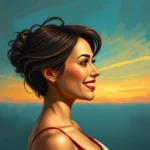
What If Art Was the Language of the Universe?
Exploring the Universal Language of Art
The concept of art as a universal language is both intriguing and profound. Art has the potential to transcend the boundaries of spoken language, allowing individuals to communicate complex emotions, experiences, and ideas without the need for words. Throughout history, art has played a significant role in human culture, serving as a medium for expression, connection, and understanding. This article delves into the question: What if art transcended human experience to communicate universal truths? How might our perception of the universe change if we viewed art as the primary language of existence?
The Nature of Art
Defining Art: Various Forms and Interpretations
Art is an expansive concept that encompasses various forms including, but not limited to:
- Visual Arts (painting, sculpture, photography)
- Performing Arts (music, dance, theatre)
- Literary Arts (poetry, fiction, essays)
- Digital Arts (graphic design, video art, interactive media)
Each of these forms can convey different meanings and evoke a myriad of reactions, depending on cultural context, personal experience, and individual interpretation.
Historical Role of Art in Communication and Expression
Historically, art has served as a means of communication long before the advent of written language. Cave paintings, for example, provided insights into the lives of early humans, conveying stories, rituals, and beliefs. As societies evolved, so did the forms of artistic expression, reflecting changes in culture, technology, and worldview. Art has always been a mirror to society, reflecting its values, struggles, and triumphs.
How Art Differs from Other Forms of Communication
Unlike verbal or written communication, which relies heavily on language and grammar, art communicates through visuals, sounds, and movement. This allows for a more instinctive and emotional response. Art can convey abstract concepts that may be challenging to articulate through words, enabling a deeper understanding of human experience.
Theoretical Foundations
The Philosophical Perspective: Art as a Reflection of Reality
Philosophers have long debated the nature of art and its relationship to reality. Some argue that art is merely a reflection of the world around us, capturing its beauty and complexity. Others believe that art creates its own reality, offering new perspectives and insights. This duality raises questions about the nature of truth and how we perceive it through artistic expression.
Scientific Theories: Can Patterns in Nature be Considered Art?
Scientific theories often reveal that patterns in nature—such as the Fibonacci sequence, fractals, and the symmetries of crystals—exhibit an aesthetic quality that can be likened to art. These patterns suggest that there is an inherent beauty in the universe that can be appreciated through both scientific inquiry and artistic expression. This intersection of science and art invites us to consider how these fields can inform and enhance one another.
The Role of Perception in Interpreting Art and the Universe
Perception plays a crucial role in how we interpret both art and the universe. Our experiences, emotions, and cultural backgrounds shape the way we understand artistic works. Similarly, our perception of the universe is influenced by our knowledge, beliefs, and the context in which we encounter it. Understanding this relationship can help us appreciate the diverse interpretations of art and the cosmos.
Art as a Universal Language
Cross-Cultural Examples of Art Conveying Similar Themes
Across cultures and time periods, art often conveys universal themes such as love, loss, joy, and struggle. For instance:
| Theme | Example from Culture A | Example from Culture B |
|---|---|---|
| Love | Shakespeare’s sonnets (Western literature) | Chinese poetry (e.g., Li Bai) |
| Loss | Mourning rituals in African cultures | Grief in Western art (e.g., Munch’s “The Scream”) |
| Joy | Celebratory dances in Indigenous cultures | Festivals in European cultures (e.g., Carnival) |
This demonstrates how art can transcend cultural barriers, resonating with people regardless of their background.
The Power of Visual Art, Music, and Dance in Expressing Emotions
Art forms such as visual art, music, and dance possess a unique ability to evoke emotions and convey messages that words often cannot. For example:
- Visual Art: A painting can capture the essence of a moment, conveying feelings of nostalgia or joy through color and composition.
- Music: A melody can stir emotions and memories, creating a universal connection among listeners.
- Dance: Movement can express feelings and tell stories, transcending language and cultural differences.
How Art Transcends Linguistic Barriers
Art has the power to communicate ideas and emotions that often elude verbal expression. It allows for a shared experience among individuals who may not speak the same language. This is particularly evident in global art movements, where artists from different backgrounds come together to create works that resonate universally.
Implications of Art as a Universal Language
How Would Human Communication Change?
If art were to become the primary mode of communication, our interactions might become more expressive and emotionally charged. Non-verbal cues, such as gestures, colors, and sounds, would take precedence, allowing for a richer and more nuanced exchange of ideas.
Potential Impact on Global Unity and Understanding
Embracing art as a universal language could foster greater understanding and empathy among diverse cultures. This shift might lead to:
- Increased collaboration between artists across borders
- Greater appreciation for cultural diversity
- Enhanced dialogue about global issues through artistic expression
The Role of Technology in Enhancing Art as a Universal Language
In the digital age, technology plays a pivotal role in disseminating art globally. Platforms such as social media, virtual reality, and online galleries enable artists to reach wider audiences, breaking down geographical barriers. This technological advancement allows for:
- Global exposure for artists and their works
- New forms of artistic expression (e.g., digital art, interactive installations)
- Collaboration between artists and audiences through participatory art projects
Counterarguments and Challenges
Limitations of Art in Conveying Complex Ideas
While art can convey powerful emotions, it may struggle to communicate complex or abstract ideas clearly. The nuances of certain concepts may get lost in translation, leading to misinterpretation or oversimplification.
The Subjective Nature of Art and Its Interpretation
Art is inherently subjective, with each individual bringing their own experiences and interpretations to the table. This subjectivity can create challenges in communication, as what resonates with one person may not resonate with another. Understanding this aspect is essential for fostering dialogue around art and its meanings.
Cultural Appropriation and the Exclusivity of Certain Art Forms
As art is shared across cultures, issues of cultural appropriation can arise, leading to questions about ownership and authenticity. Certain art forms may also become exclusive, with specific communities feeling marginalized. Addressing these challenges is crucial for creating an inclusive artistic landscape.
Potential Questions to Explore
What Would a Society Look Like if Art Was the Primary Mode of Communication?
A society that prioritizes art as its primary mode of communication might be characterized by:
- Heightened creativity and innovation
- A focus on emotional intelligence and empathy
- A deeper connection to one another and the world around them
How Might Scientific Discoveries be Affected if Expressed Through Art?
If scientific discoveries were expressed through art, they might become more accessible and relatable to the general public. Artistic interpretations of scientific concepts could spark interest and curiosity, fostering a greater appreciation for science.
Can Art Influence the Way We Understand the Cosmos?
Art has the potential to shape our understanding of the cosmos by providing visual representations that provoke thought and inspire wonder. Artistic interpretations of astronomical phenomena can make complex ideas more tangible, encouraging exploration and inquiry.
What Mediums Would Best Serve as the ‘Language’ of the Universe?
Several mediums could effectively serve as the ‘language’ of the universe, including:
- Visual Arts (e.g., paintings, installations)
- Music (e.g., compositions that reflect the rhythms of nature)
- Dance (e.g., performances that embody cosmic movements)
- Digital Art (e.g., interactive experiences that engage audiences)
How Can We Teach Future Generations to Understand This Universal Language?
Teaching future generations to appreciate and understand art as a universal language can involve:
- Integrating art education into school curricula
- Encouraging interdisciplinary approaches that connect art with other fields (e.g., science, philosophy)
- Promoting exposure to diverse art forms and cultural expressions</li


